

Human cryopreservation: the "Everest" of cryonics
Release time:
2023-08-23
Borges, a well-known writer in the 20th century, once said that the essence of human existence is the experience of death over and over again, and "death makes people wise and sad". Therefore, in the history of mankind, people are constantly breaking through themselves, challenging the boundaries of science and technology, the peak of medicine, and the length of human life is constantly extended in the long river of time.
Human cryopreservation is the "Mount Everest" which is being climbed by modern cryogenic medicine researchers, and it is also called "the technology of solidifying time" by many people.
NO.1 Courageous exploration in the spirit of science
British biomedical scientist Aubrey de-Grey once said, "human cryopreservation technology is not a feudal superstition, but a brave attempt based on science". Human cryopreservation is an experimental research naturally derived from the continuous progress of research on cryopreservation technology, which has a certain scientific foundation.
At present, people have successfully realized the cryopreservation and resuscitation of all kinds of stem cells, sperm, oocytes, embryos and some tissues and organs. In Shandong Yinfeng Life Science Research Institute has mastered the deep cryopreservation and resuscitation technology of skin, severed fingers/toes, valves, ovaries, bones, tendons, blood vessels, pancreatic islets, etc., and has successfully implemented the preservation of nearly 200 cases of tissues and organs, and some of them have been resuscitated and replanted successfully.
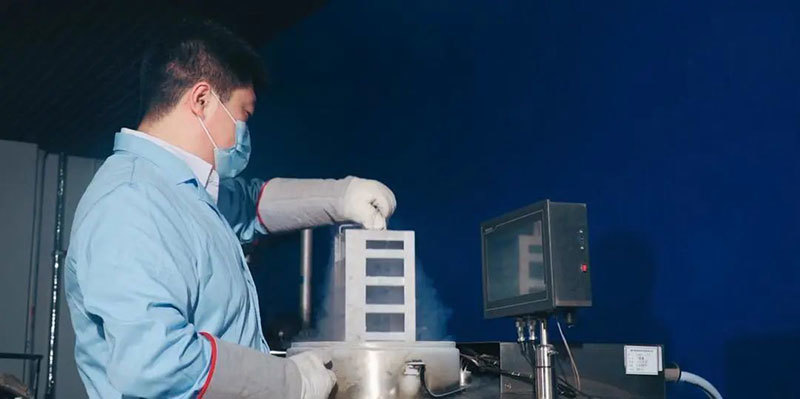
On the basis of the technology for the preservation of cells, some tissues and organs, it seems to be a watertight process to carry out human cryopreservation. Theoretically, through deep cryopreservation, cells and even organisms can be frozen to extremely low temperatures and then rewarmed in an effective way when needed, and the awakened organisms can still remain active. Because of the low-temperature environment, greatly reduce or even suspend the rate of metabolism of the organism, and at the same time avoid a variety of external interference in the process of long-term preservation, so after the resuscitation of the organism's functions can still be restored as in the beginning, just like a newborn.
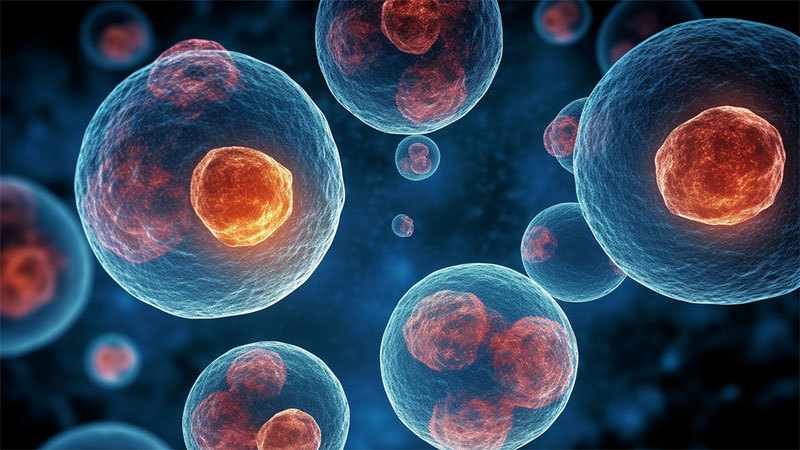
Therefore, the human body cryopreservation technology does not only exist in science fiction, it has a certain scientific basis and practical applications. However, it is undeniable that, although the current cryopreservation technology has matured on the cellular scale, it is still difficult to implement for slightly larger tissues or organs, or human body, such as the ice crystal problem in the cooling and the reverse vitrification problem in the rewarming.
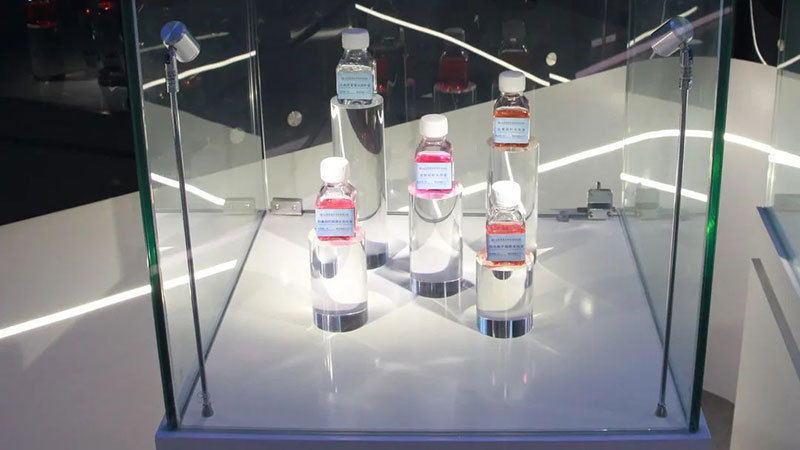
Based on the existing technology, Shandong Yinfeng Life Science Research Institute has been continuously conducting research on cryoprotectant and cooling equipment, cryopreservation equipment, perfusion surgical protocols and monitoring systems, etc., and has obtained a number of patents to minimize the formation and growth of ice crystals in the process of human cryopreservation.
NO.2 Coagulation Time, Suspension of Death
If cryopreservation technology can maintain cell viability, then the prerequisite and necessary condition for the implementation of human cryopreservation surgery is that the cells of the patient's body and brain are still "alive".
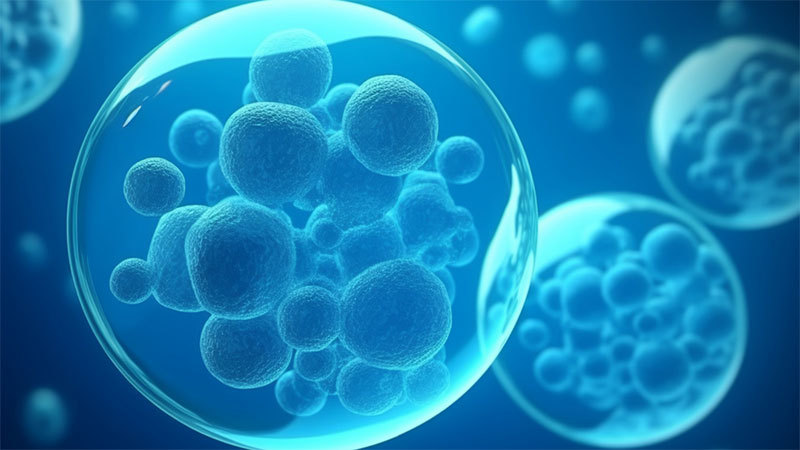
In China, although the determination of death criteria is striving to be infinitely close to brain death, the occurrence of death is not an instantaneous concept, even if the heart stops beating and breathing stops, the cells of the body and the brain are still "alive" for a long time, which is the last window of time left for life. The process of implementing human cryopreservation is also initiated during this time, in order to interrupt the patient's death and seek new ways to cure the disease.

Therefore, in the eyes of many people, human cryopreservation is an extension of modern emergency medicine. And in the legal sense was pronounced "dead" people, but also seems to be just for life pressed the pause button, is to accept another new type of treatment "patient" only, which is with the final struggle of the disease, but also with the final struggle of death.
NO.3 Difficulties still exist
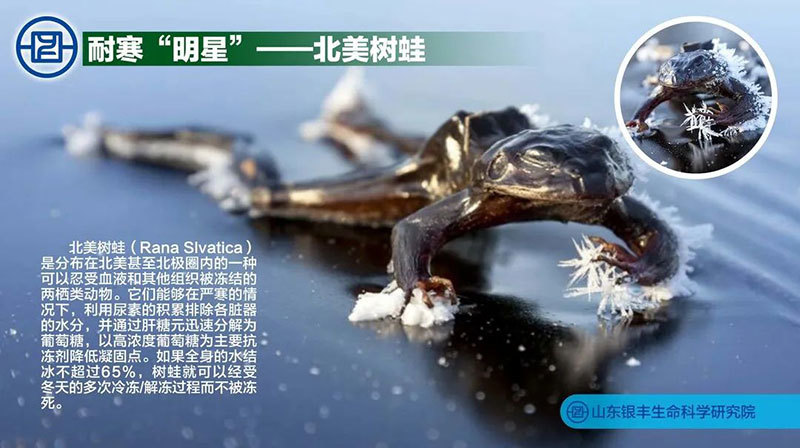
In the natural world, although there have been many low-temperature experience can still be resurrected phenomenon, such as certain types of moths, North American tree frogs and so on. Russian scientists have also awakened 40,000 years ago frozen nematodes. But there are still huge challenges to the cryopreservation of the human body. For example, how to avoid recrystallization of ice crystals when rewarming, whether the original disease has been cured, etc. We are counting on the future power of science and technology, in the future full of infinite possibilities, all of this may no longer be a problem.
Liu Cixin, a famous science fiction writer in China, called the human hibernation technology in "Three Bodies" as "the first upright walk of mankind in time". Like a toddler, human cryopreservation may be staggering forward, but we believe that with the rapid progress and breakthroughs in medical technology, mankind will eventually walk faster and farther on the track of time.
Latest developments

The debut and discourse of the YinFeng Life Continuation Project not only served as an authoritative demonstration of its own ethical governance framework but also contributed practical wisdom toward establishing industry norms.

Yinfeng Foundation Honored as "2025 Public Welfare Donor" by Jinan Red Cross
Looking ahead, Yinfeng Foundation will use this recognition as an opportunity to further deepen its strategic collaboration with the Jinan Red Cross, expand cooperation in areas such as life health and emergency response, and continue to empower efforts to accelerate the construction of a "new, strong, excellent, rich, beautiful, and high-quality" modern socialist strong capital city, contributing even more Yinfeng strength to this endeavor.

The team successfully developed the CryoSIM platform, an intelligent microfluidics and deep learning-integrated system. This platform deeply integrates core technologies of deep learning and microfluidics to enable high-throughput, high-precision automated analysis of oocyte membrane permeability. It provides a novel technological tool for optimizing and advancing the clinical translation of oocyte cryopreservation techniques. Additionally, it offers an innovative practical paradigm for the application of artificial intelligence in low-temperature biomedicine and reproductive medicine.

Public Welfare Partnership: A Special Letter from the Jinan Red Cross
On the afternoon of January 30, 2026, the Jinan Red Cross presented a letter of special significance to the Shandong Yinfeng Life Science Public Welfare Foundation (hereinafter referred to as the Yinfeng Foundation).

World’s First Achievement Highlights Brand Leadership
In the future, Yinfeng Life Science Research Institute will continue to uphold its mission of "Dedicated to Medical Technology, Safeguarding Human Health." It will empower brand building with more original and pioneering scientific and technological achievements, contributing wisdom and strength to Shandong's goal of building a national regional innovation hub and promoting Chinese brands on the global stage.

Global First Ovarian Tissue Dual Activation Technology Debuts at 2025 Jinan Achievements Conference
Currently, the ovarian tissue dual activation technology has been successfully applied in clinical practice at Beijing University of Chinese Medicine Shenzhen (Longgang) Hospital, having treated over 400 patients with a treatment success rate of 70%. Over the next three years, Shandong Yinfeng Life Science Research Institute plans to use Jinan as a center to gradually expand the transformation and application of this technological achievement nationwide.
Yinfeng Life Continuation Plan
Address: Yinfeng Biotechnology Park, 1758 Gangyuan 6th Road, High-tech Zone, Jinan City, Shandong Province
Zip Code: 250102
Telephone: 0086-0531-88897351
Mobile: 0086-19953155515

Mobile website

Official WeChat Public Number
Links:Red Cross Society of China丨Shandong Red Cross Society丨Shandong Provincial Health Commission | Yinfeng Group| Yinfeng Biological Group
All rights reserved©Yinfeng Life Continuation Powered by www.300.cn SEO