

Sleeping in the frozen soil for 46,000 years! This creature was resurrected by scientists
Release time:
2023-08-04
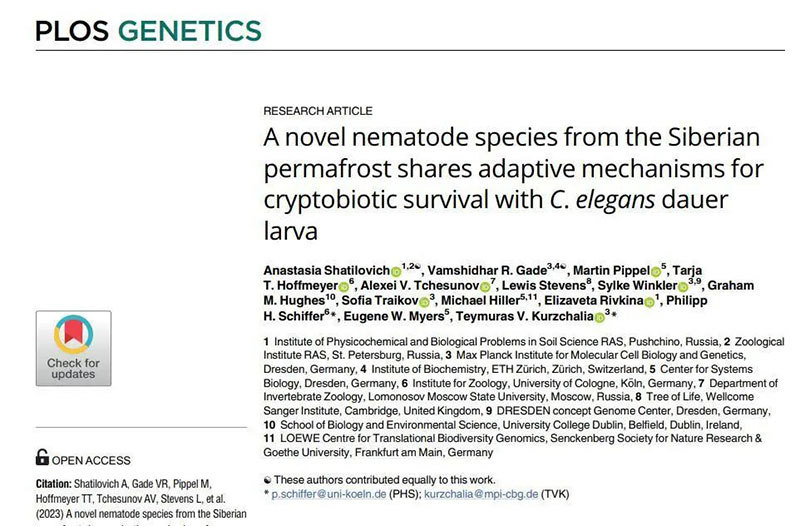
According to a paper in the latest issue of PLoS Genetics, a small group of nematodes taken from Siberian permafrost "came back to life" after being thawed, and although they only continued to survive for less than a month, they reproduced More than 100 generations of new nematodes were produced. These nematodes are about 46,000 years old, the same age as the woolly mammoth.
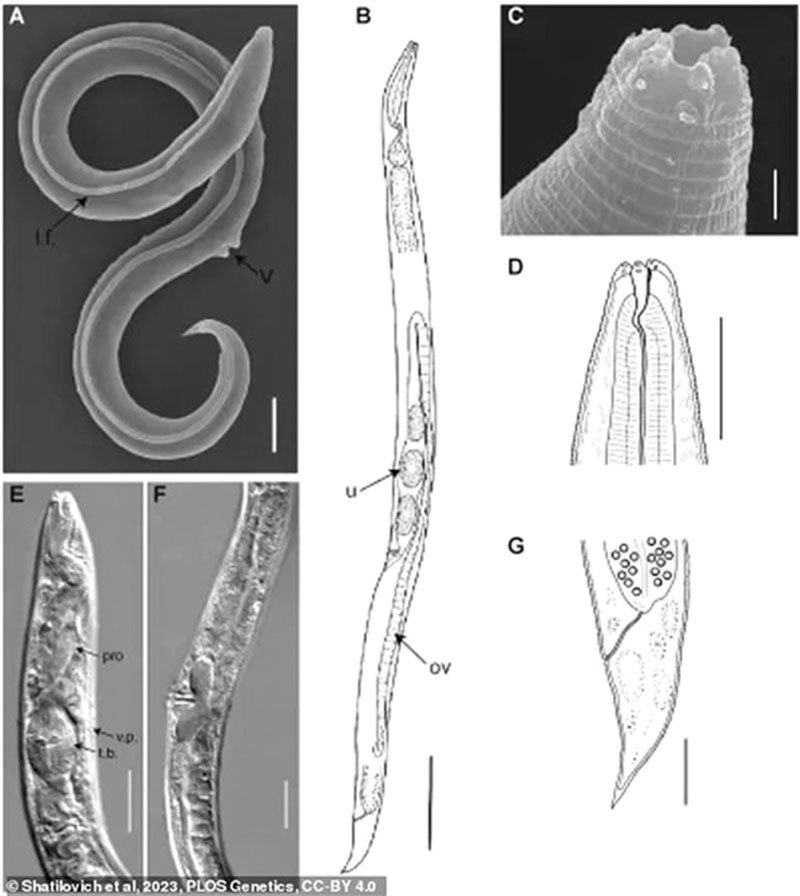
The discovery could spur thinking about a third scenario between life and death. Many netizens said, "Science fiction thrillers all start like this" and "It would be scary if they could continue to reproduce."

According to reports, the first author of the paper, Emeritus Professor Kurtz Challia of the Max Planck Institute of Molecular Cell Biology and Genetics in Germany, said that these small nematodes remain dormant for much longer than people imagined. Scientists think they can only stay dormant for 40 years at most.
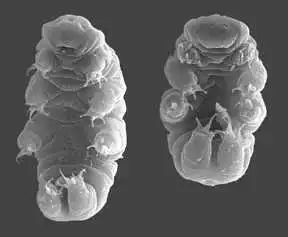
These nematodes belong to a long-extinct species that do not die in the permafrost, but remain in a dormant state called cryptobiosis.

Cryptobiosis is a state of life in which organisms extremely reduce their metabolism in response to extreme weather conditions. For example, when cryptozoans face drought, they will "dehydrate" and stop reproduction, development, metabolism and other activities. But when the environment improves, it can recover again.
Kurzcharya said that single-cell organisms such as viruses have been shown to be able to survive in a state of cryptobiosis for millions of years, but for animals, 46,000 years of cryptobiosis is already the current record. .
It is reported that these nematodes, which had been sleeping for more than 40,000 years, were dug out 130 feet underground near the Kolyma River in eastern Russia in the early 21st century. This group of scientists first published a paper describing this phenomenon in 2018: After they placed these frozen nematodes in a petri dish at 70 degrees Fahrenheit (21.1 degrees Celsius) for a few weeks, some of them began to revive and reproduce.
Kurzcharia said the paper could prompt people to think about a third scenario between life and death. Kurzcharia also said that although we now have a better understanding of how to achieve the state between life and death, we are still a long way from using this science to resurrect frozen humans or dinosaurs. way to go.
Latest developments

The debut and discourse of the YinFeng Life Continuation Project not only served as an authoritative demonstration of its own ethical governance framework but also contributed practical wisdom toward establishing industry norms.

Yinfeng Foundation Honored as "2025 Public Welfare Donor" by Jinan Red Cross
Looking ahead, Yinfeng Foundation will use this recognition as an opportunity to further deepen its strategic collaboration with the Jinan Red Cross, expand cooperation in areas such as life health and emergency response, and continue to empower efforts to accelerate the construction of a "new, strong, excellent, rich, beautiful, and high-quality" modern socialist strong capital city, contributing even more Yinfeng strength to this endeavor.

The team successfully developed the CryoSIM platform, an intelligent microfluidics and deep learning-integrated system. This platform deeply integrates core technologies of deep learning and microfluidics to enable high-throughput, high-precision automated analysis of oocyte membrane permeability. It provides a novel technological tool for optimizing and advancing the clinical translation of oocyte cryopreservation techniques. Additionally, it offers an innovative practical paradigm for the application of artificial intelligence in low-temperature biomedicine and reproductive medicine.

Public Welfare Partnership: A Special Letter from the Jinan Red Cross
On the afternoon of January 30, 2026, the Jinan Red Cross presented a letter of special significance to the Shandong Yinfeng Life Science Public Welfare Foundation (hereinafter referred to as the Yinfeng Foundation).

World’s First Achievement Highlights Brand Leadership
In the future, Yinfeng Life Science Research Institute will continue to uphold its mission of "Dedicated to Medical Technology, Safeguarding Human Health." It will empower brand building with more original and pioneering scientific and technological achievements, contributing wisdom and strength to Shandong's goal of building a national regional innovation hub and promoting Chinese brands on the global stage.

Global First Ovarian Tissue Dual Activation Technology Debuts at 2025 Jinan Achievements Conference
Currently, the ovarian tissue dual activation technology has been successfully applied in clinical practice at Beijing University of Chinese Medicine Shenzhen (Longgang) Hospital, having treated over 400 patients with a treatment success rate of 70%. Over the next three years, Shandong Yinfeng Life Science Research Institute plans to use Jinan as a center to gradually expand the transformation and application of this technological achievement nationwide.
Yinfeng Life Continuation Plan
Address: Yinfeng Biotechnology Park, 1758 Gangyuan 6th Road, High-tech Zone, Jinan City, Shandong Province
Zip Code: 250102
Telephone: 0086-0531-88897351
Mobile: 0086-19953155515

Mobile website

Official WeChat Public Number
Links:Red Cross Society of China丨Shandong Red Cross Society丨Shandong Provincial Health Commission | Yinfeng Group| Yinfeng Biological Group
All rights reserved©Yinfeng Life Continuation Powered by www.300.cn SEO