

Scientists "resurrected" a pig, how far are humans from resurrecting the dead?
Release time:
2022-10-14
On August 3, 2022, the team of neurobiologist Nenad Sestan of Yale University School of Medicine in the United States published the "Sow Resurrection" experiment and its results in "Nature", which attracted widespread attention and discussion. This overturns the long-held belief that brain death is irreversible.
In this experiment, after one hour of ischemia and hypoxia, the pigs were injected with a "revival agent", which was mainly composed of a mixture of pig blood, artificial hemoglobin, nutrients needed by cells and other compounds. Over the next six hours, the researchers found that some cells in the pig's heart, liver, kidneys and brain began to restore function and activity, and the pig's circulatory system also gradually recovered. Although the pig's heart has not fully resumed beating, electrophysiological activity can be scanned. In every vital organ, cells are restarting parts of their metabolism. During the whole process, people were also surprised to observe that its head and neck began to have involuntary muscle movements.
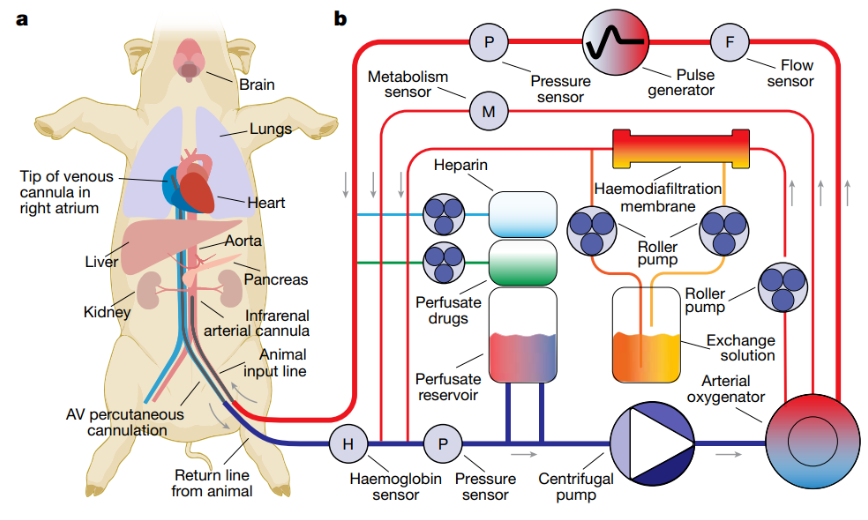
The system used for the experiment this time is a system called OrganEx. In OrganEx perfusion solution, the ratio of hemoglobin to blood is 1:1, so that cells can receive oxygen most efficiently. In addition, antioxidants and other drugs in the perfusion solution can be used to inhibit and alleviate cell damage. Compared with targeting a single organ, the brain, the improved version is more compatible with various organs throughout the body. Cell functions were better repaired in all major organs of pigs in the OrganEx group. Cell proliferation also occurred in pig kidney cells.
This discovery solves a major problem in the field of organ transplantation - the preservation efficiency of transplanted organs, opening the door to the future of organ transplantation. This research could increase the number of organs available for transplant in the future. Recently, the "China Organ Transplant Development Report (2020)" (hereinafter referred to as the "Report") was released. From 2015 to 2020, China ranked second in the world in terms of organ donation and transplant numbers. The "Report" points out that although the number and donation rate of organ donations in China have increased compared with before, it still faces a shortage of donors like other countries in the world and cannot meet the huge demand of domestic patients.
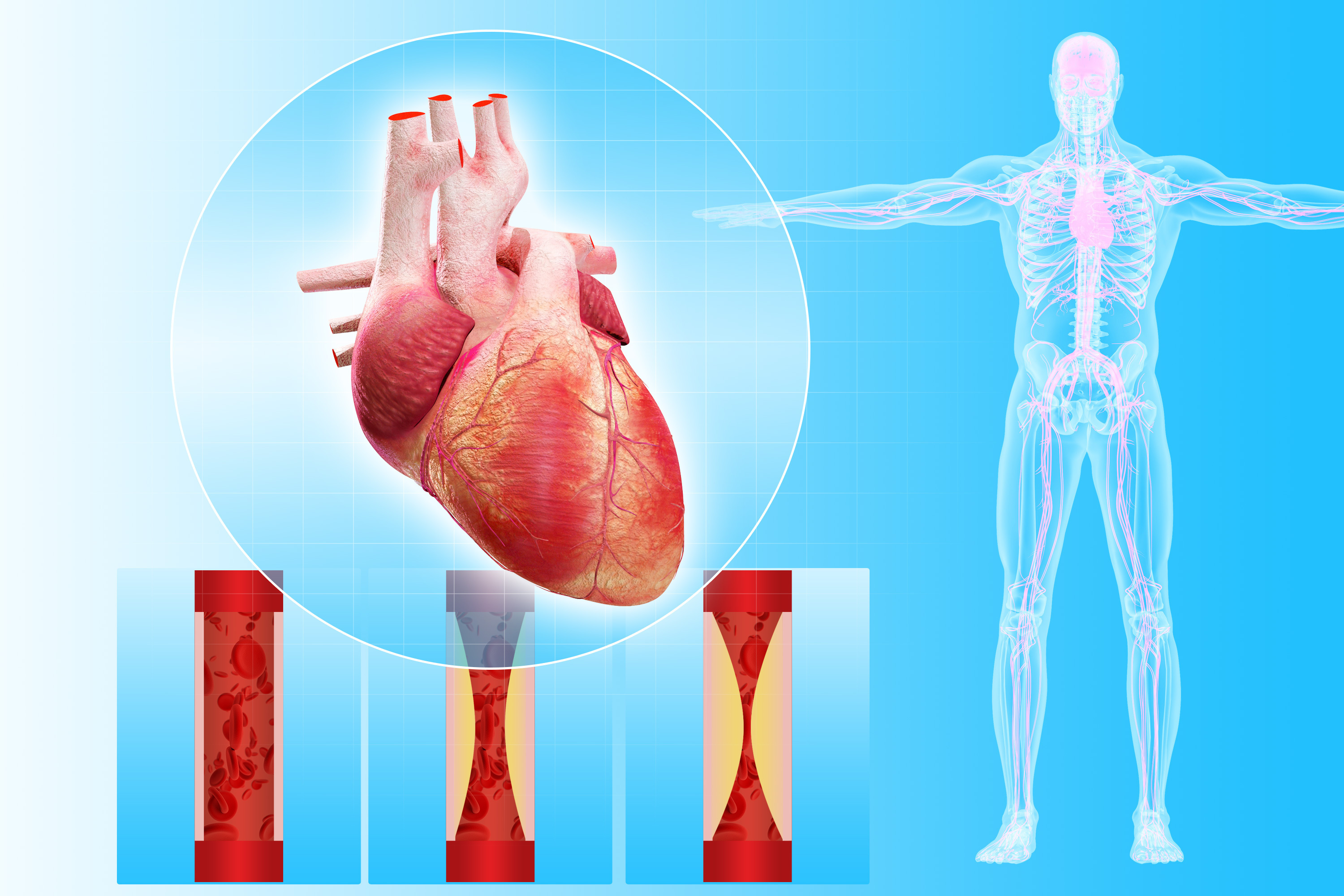
Experts point out that if OrganEx is used clinically in the future, it will take longer for human cells to reach the point of "irrecovery", and the point at which an individual is declared dead will also change, which means that with the continuous advancement of medicine, The definition of death will continue to adjust.
Latest developments

The debut and discourse of the YinFeng Life Continuation Project not only served as an authoritative demonstration of its own ethical governance framework but also contributed practical wisdom toward establishing industry norms.

Yinfeng Foundation Honored as "2025 Public Welfare Donor" by Jinan Red Cross
Looking ahead, Yinfeng Foundation will use this recognition as an opportunity to further deepen its strategic collaboration with the Jinan Red Cross, expand cooperation in areas such as life health and emergency response, and continue to empower efforts to accelerate the construction of a "new, strong, excellent, rich, beautiful, and high-quality" modern socialist strong capital city, contributing even more Yinfeng strength to this endeavor.

The team successfully developed the CryoSIM platform, an intelligent microfluidics and deep learning-integrated system. This platform deeply integrates core technologies of deep learning and microfluidics to enable high-throughput, high-precision automated analysis of oocyte membrane permeability. It provides a novel technological tool for optimizing and advancing the clinical translation of oocyte cryopreservation techniques. Additionally, it offers an innovative practical paradigm for the application of artificial intelligence in low-temperature biomedicine and reproductive medicine.

Public Welfare Partnership: A Special Letter from the Jinan Red Cross
On the afternoon of January 30, 2026, the Jinan Red Cross presented a letter of special significance to the Shandong Yinfeng Life Science Public Welfare Foundation (hereinafter referred to as the Yinfeng Foundation).

World’s First Achievement Highlights Brand Leadership
In the future, Yinfeng Life Science Research Institute will continue to uphold its mission of "Dedicated to Medical Technology, Safeguarding Human Health." It will empower brand building with more original and pioneering scientific and technological achievements, contributing wisdom and strength to Shandong's goal of building a national regional innovation hub and promoting Chinese brands on the global stage.

Global First Ovarian Tissue Dual Activation Technology Debuts at 2025 Jinan Achievements Conference
Currently, the ovarian tissue dual activation technology has been successfully applied in clinical practice at Beijing University of Chinese Medicine Shenzhen (Longgang) Hospital, having treated over 400 patients with a treatment success rate of 70%. Over the next three years, Shandong Yinfeng Life Science Research Institute plans to use Jinan as a center to gradually expand the transformation and application of this technological achievement nationwide.
Yinfeng Life Continuation Plan
Address: Yinfeng Biotechnology Park, 1758 Gangyuan 6th Road, High-tech Zone, Jinan City, Shandong Province
Zip Code: 250102
Telephone: 0086-0531-88897351
Mobile: 0086-19953155515

Mobile website

Official WeChat Public Number
Links:Red Cross Society of China丨Shandong Red Cross Society丨Shandong Provincial Health Commission | Yinfeng Group| Yinfeng Biological Group
All rights reserved©Yinfeng Life Continuation Powered by www.300.cn SEO