

Shandong Yinfeng Life Sciences Research Institute completed China’s first human body cryopreservation
Release time:
2017-08-13
In most people's minds, human cryopreservation is both mysterious and unfamiliar. In 2015, news that a female writer from Chongqing had her brain frozen at the Alcor Life Extension Foundation (Alcor) in the United States attracted great attention. This was also the first case of cryopreservation of human brains in China. Now, it is funded by the Shandong Yinfeng Life Science Charity Foundation. China's first whole-body cryopreservation surgery funded by the Society was successfully completed by Shandong Yinfeng Life Sciences Research Institute, marking China becoming the third country in the world to achieve human cryopreservation after the United States and Russia.

Staff pay tribute to volunteers who participated in China's first human cryopreservation case
On August 13, after being invited by some media such as Science and Technology Daily, China News Network, Ifeng.com and Red Star News, China's first human cryopreservation media meeting was held at Yinfeng Biological Group, the sponsor of the Yinfeng Life Science Charity Foundation in Shandong Province. More than a dozen mainstream media in Shandong Province, including Dazhong.com, Life Daily, Qilu Evening News, Jinan Times, Xinhuanet, Yidian News, Toutiao, China Shandong Net, Luwang, Sina Shandong, Phoenix Net, etc., took the initiative to participate in the meeting. Yinfeng Biotech Group Chairman Sheng Dewei, Acting President Pang Yong, and medical experts involved in this cryopreservation surgery: Sun Wenyu, Director of the Cardiac Surgery Department of Qilu Hospital of Shandong University, Lei Weifu, an anesthesia expert and director of the comfort ward, Clinical Response of Shandong Yinfeng Life Sciences Research Institute Expert Aaron Drake attended the meeting.
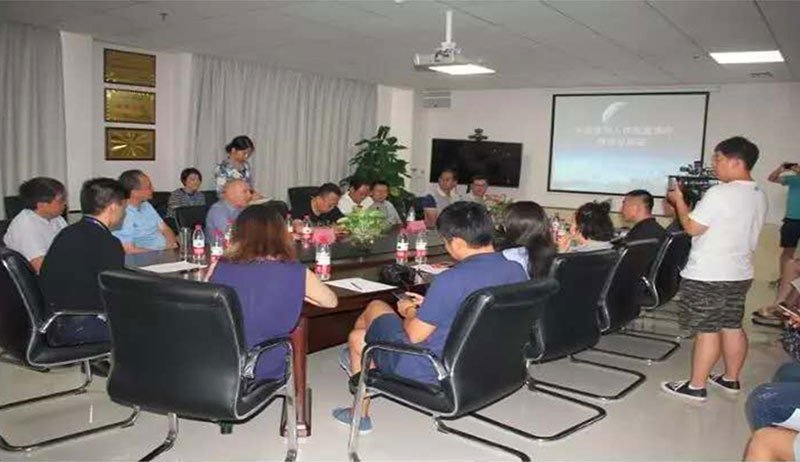
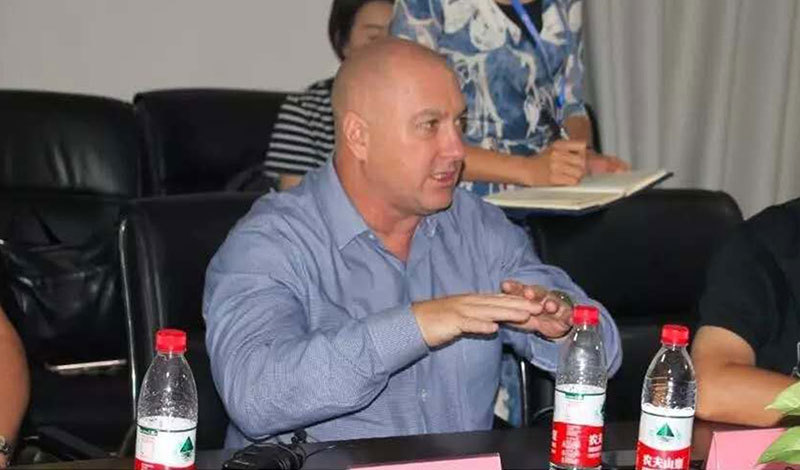
Human cryopreservation refers to preserving the human body in a low-temperature environment of more than minus 190 degrees Celsius, in anticipation of future technological development and the realization of "resurrection from the dead." At the media conference, Aaron Drake said: Some people think that although today’s medical technology cannot cure their terminal illnesses, relying on current preservation technology to preserve the body, perhaps in the future medical technology will develop to a certain extent. Degree can be cured. For example, 100 years ago, if someone suffered heart damage, we could only watch him die; but today, people can recover through surgery after a heart attack. So we can also imagine that cancer will be cured in the future. The cryopreservation of human bodies has become a way for people to wait until a cure for cancer appears.
It is understood that the person who applied for cryopreservation of human body was a 49-year-old woman named Zhan who suffered from lung cancer. During her lifetime, she was a charity-loving and caring volunteer in Quancheng. She expressed her wish to donate her body for scientific research to her family many times. During her treatment in the comfort ward, her family completed the body donation registration procedures on her behalf and participated in this great and loving life extension research plan: cryogenically preserving herself in the hope of miracles in future medical technology. At 4:01 a.m. on May 8, 2017, the 49-year-old Ms. Zhan stopped her heartbeat and breathing in the hospital bed, and the cryopreservation surgery officially began. On the evening of May 10, Ms. Zhan’s body was successfully transferred to a special liquid nitrogen container filled with liquid nitrogen that could be stably maintained at minus 196°C, and the operation was successfully completed. The completion of this operation is not only the realization of her wish to dedicate great love, but also leaves a hope for her family.
Since its establishment with the approval of the Shandong Provincial Department of Civil Affairs, the Shandong Yinfeng Life Sciences Charity Foundation has long-term funded the Shandong Yinfeng Life Sciences Research Institute to carry out research in the field of cryogenic medicine such as cryopreservation, resuscitation and organ function maintenance of various tissues, organs and human bodies. It has established a team of experts including international cryogenic biology experts, cryogenic medicine and clinical medicine, and has successfully achieved cryopreservation, recovery and clinical application of a variety of human cells, including valves, skin, severed fingers (toes) and ovarian tissue. We have also achieved breakthrough research results in the cryopreservation and recovery of individual large-sized organs. At the same time, it has funded expert teams to conduct inspections and exchanges at human cryopreservation research institutions such as the Alcor Life Extension Foundation (Alcor), the Human Preservation Institute (CI) in the United States, and KrioRus in Russia, combining the current domestic and foreign cryogenic surgery, cryogenic medicine The latest technology and years of cell tissue preservation experience, as well as repeated demonstrations and multiple experiments by a team of clinical experts and cryogenic medicine experts, have led to the formulation of a technical plan for human cryopreservation research over several years.
The successful completion of this human cryopreservation surgery is a breakthrough in biomedical technology. However, for the Shandong Yinfeng Life Sciences Charity Foundation, only by strengthening cooperation with other public welfare organizations and medical institutions and raising more funds to fund research in the field of life sciences can we better ensure the smooth implementation of human cryopreservation. convoy.
Next article
Latest developments

The debut and discourse of the YinFeng Life Continuation Project not only served as an authoritative demonstration of its own ethical governance framework but also contributed practical wisdom toward establishing industry norms.

Yinfeng Foundation Honored as "2025 Public Welfare Donor" by Jinan Red Cross
Looking ahead, Yinfeng Foundation will use this recognition as an opportunity to further deepen its strategic collaboration with the Jinan Red Cross, expand cooperation in areas such as life health and emergency response, and continue to empower efforts to accelerate the construction of a "new, strong, excellent, rich, beautiful, and high-quality" modern socialist strong capital city, contributing even more Yinfeng strength to this endeavor.

The team successfully developed the CryoSIM platform, an intelligent microfluidics and deep learning-integrated system. This platform deeply integrates core technologies of deep learning and microfluidics to enable high-throughput, high-precision automated analysis of oocyte membrane permeability. It provides a novel technological tool for optimizing and advancing the clinical translation of oocyte cryopreservation techniques. Additionally, it offers an innovative practical paradigm for the application of artificial intelligence in low-temperature biomedicine and reproductive medicine.

Public Welfare Partnership: A Special Letter from the Jinan Red Cross
On the afternoon of January 30, 2026, the Jinan Red Cross presented a letter of special significance to the Shandong Yinfeng Life Science Public Welfare Foundation (hereinafter referred to as the Yinfeng Foundation).

World’s First Achievement Highlights Brand Leadership
In the future, Yinfeng Life Science Research Institute will continue to uphold its mission of "Dedicated to Medical Technology, Safeguarding Human Health." It will empower brand building with more original and pioneering scientific and technological achievements, contributing wisdom and strength to Shandong's goal of building a national regional innovation hub and promoting Chinese brands on the global stage.

Global First Ovarian Tissue Dual Activation Technology Debuts at 2025 Jinan Achievements Conference
Currently, the ovarian tissue dual activation technology has been successfully applied in clinical practice at Beijing University of Chinese Medicine Shenzhen (Longgang) Hospital, having treated over 400 patients with a treatment success rate of 70%. Over the next three years, Shandong Yinfeng Life Science Research Institute plans to use Jinan as a center to gradually expand the transformation and application of this technological achievement nationwide.
Yinfeng Life Continuation Plan
Address: Yinfeng Biotechnology Park, 1758 Gangyuan 6th Road, High-tech Zone, Jinan City, Shandong Province
Zip Code: 250102
Telephone: 0086-0531-88897351
Mobile: 0086-19953155515

Mobile website

Official WeChat Public Number
Links:Red Cross Society of China丨Shandong Red Cross Society丨Shandong Provincial Health Commission | Yinfeng Group| Yinfeng Biological Group
All rights reserved©Yinfeng Life Continuation Powered by www.300.cn SEO